Burst pipes, leaking appliances and failed water heaters rarely announce themselves politely. Restoration is the full arc of getting a wet home back to dry and sound — finding the source, removing the water, drying the structure, and repairing what the water ruined.
Surface water is the easy part. The real work is the water you cannot see: wicked into drywall, trapped under flooring, soaking insulation. Professional restoration pairs extraction with measured structural drying, so the home is verified dry — not just dry to the touch.
Through this site you are connected with an independent Renton professional who performs the inspection and the work. We make the introduction; you make every decision after that.
Free connection to an independent Renton professional.
Because Renton's neighbourhoods range from 1960s Fairwood subdivisions to newer East Renton Highlands construction, the right drying approach depends on your home's materials and build era. An in-person assessment with moisture readings is always the starting point — not a guess over the phone.
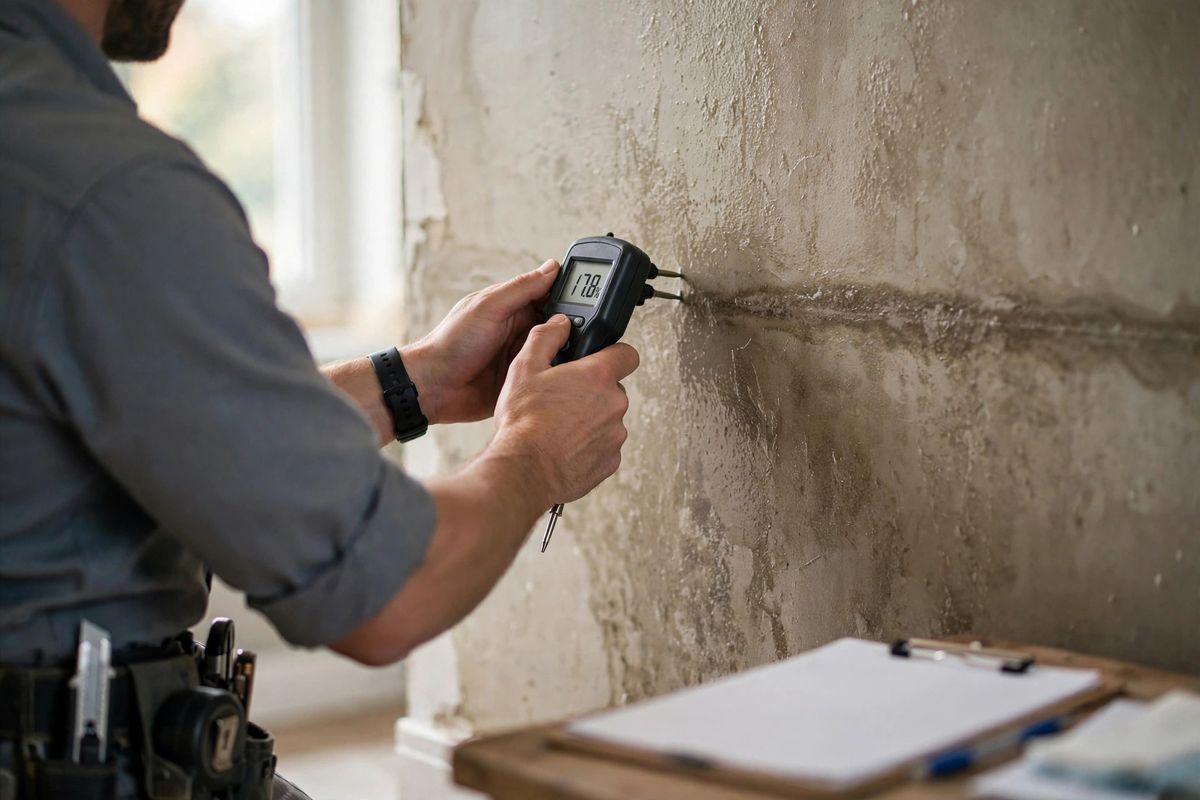
The professional locates the source, maps where water has travelled with moisture meters, and identifies which materials are wet — including inside wall cavities.
Standing water is pumped and extracted. Materials that cannot be dried — soaked padding, crumbling drywall — are removed so the structure can dry.
Air movers and dehumidifiers dry the structure over several days, with moisture re-checked until readings return to normal levels.
Extraction usually happens in a single visit. Structural drying commonly takes several days, and repairs depend on how much material was affected. The professional who inspects your home can give you a realistic sequence for your situation.
For a small, clean spill on a non-porous floor, prompt mopping and airflow may be enough. Once water has soaked carpet, drywall, wood or a basement, household fans rarely dry the structure fully — hidden moisture is what leads to mold and rot later.
Yes — moisture meters and inspection techniques are used to check wall cavities and under flooring, because water routinely travels further than the visible stain suggests.
Documentation of damage is a normal part of a professional assessment, and photos and moisture records can support a claim. Coverage decisions rest with your insurer; the professional can explain what documentation they provide.
That is exactly what the assessment answers. Call, describe the leak, and a Renton professional will check the walls and floors you cannot see into.
